ARCHITECTURE AS STEWARDSHIP
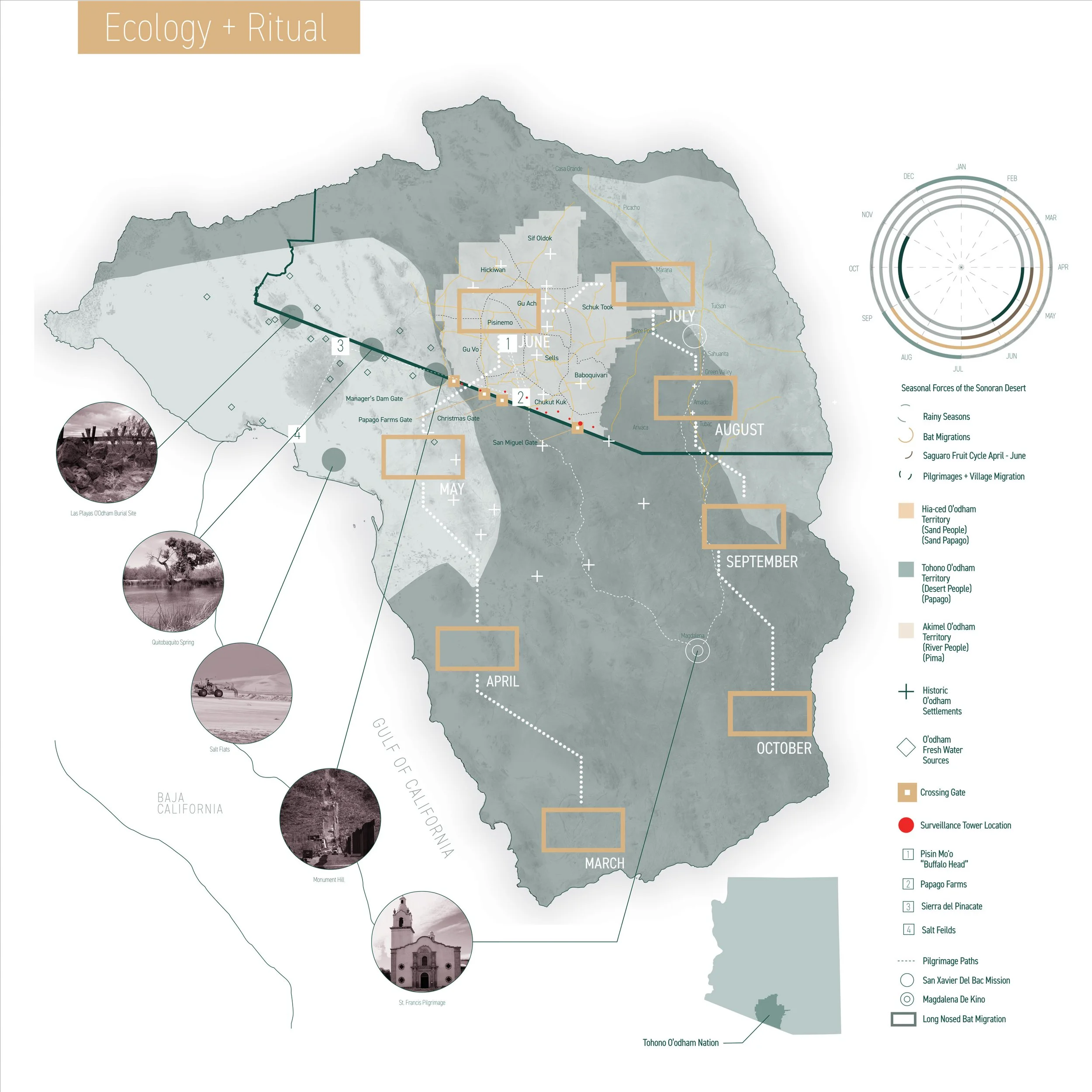
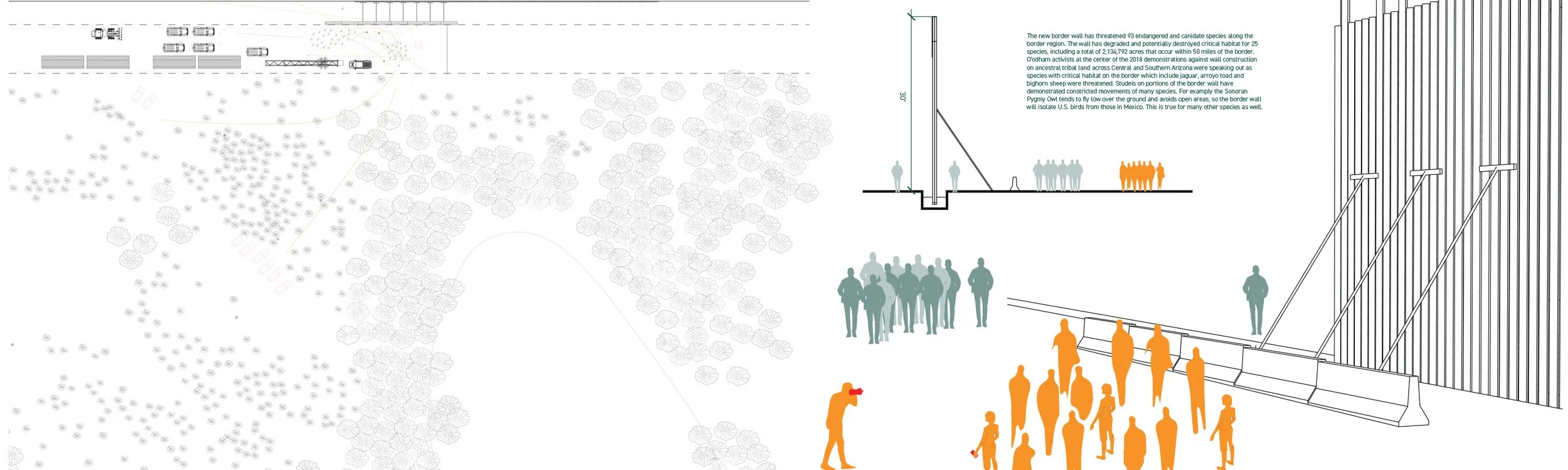
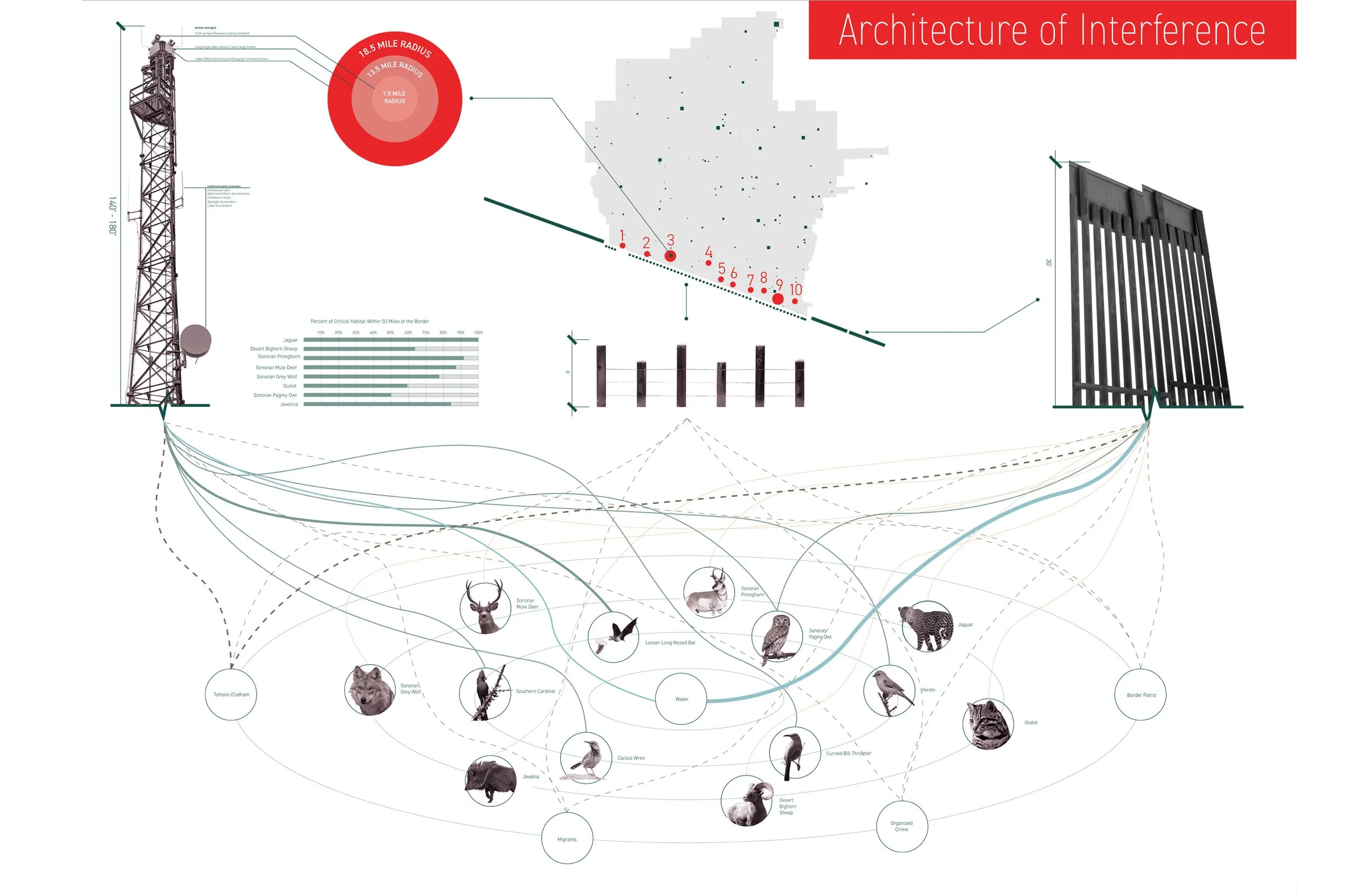
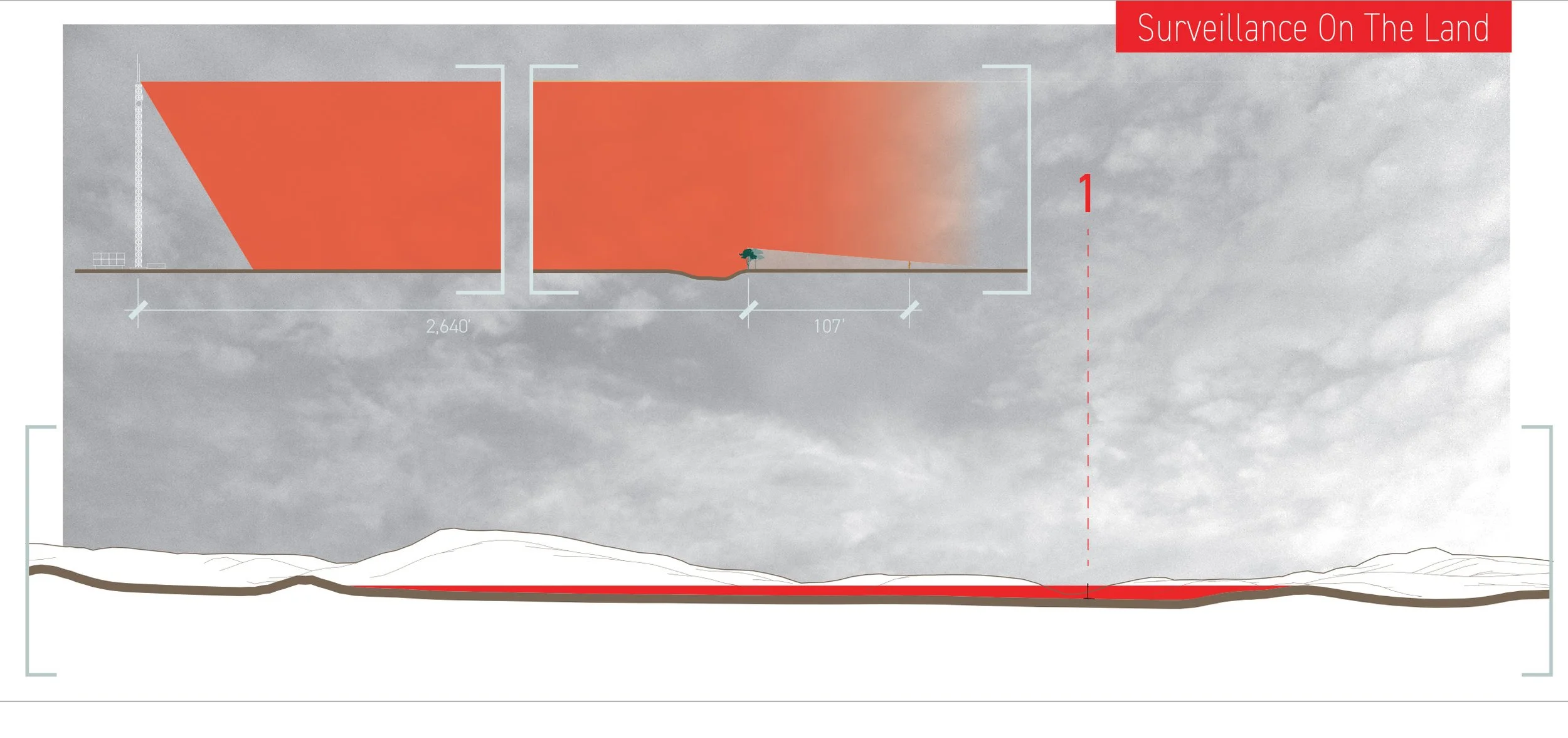
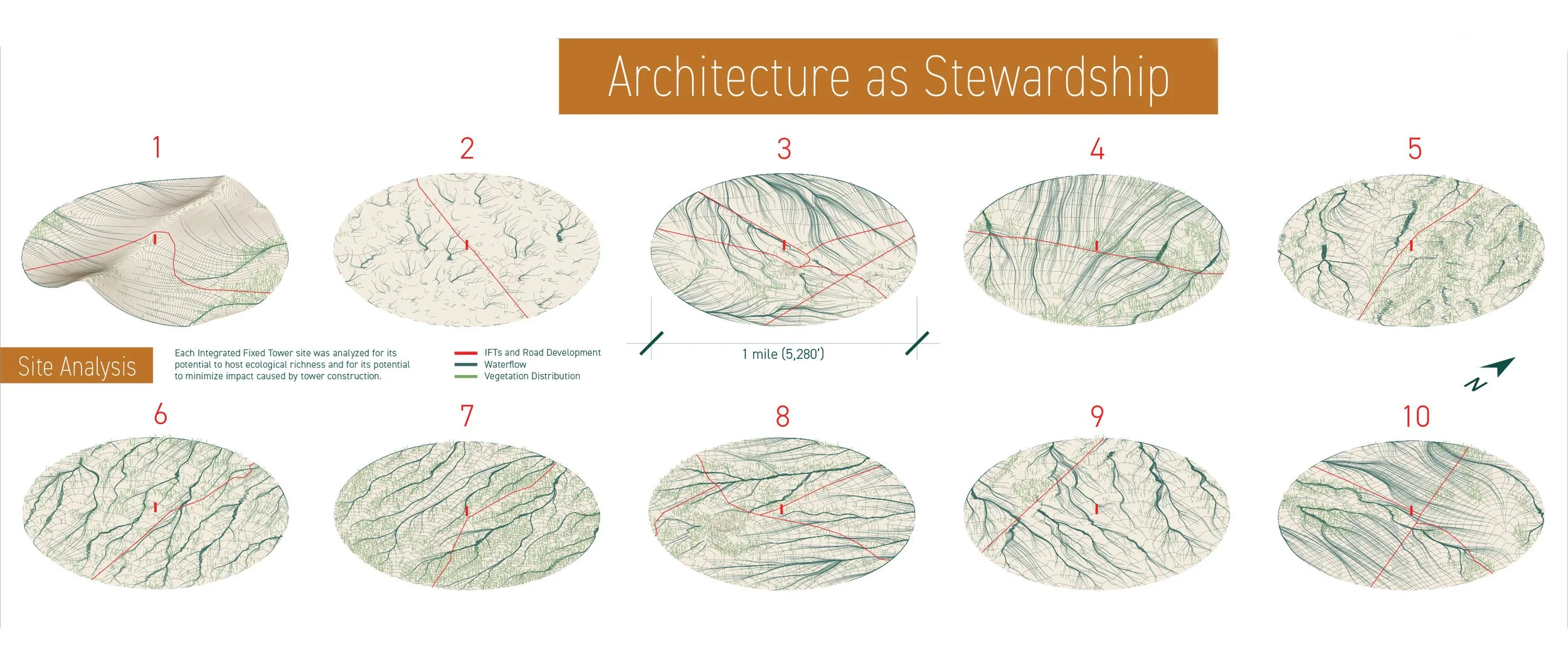
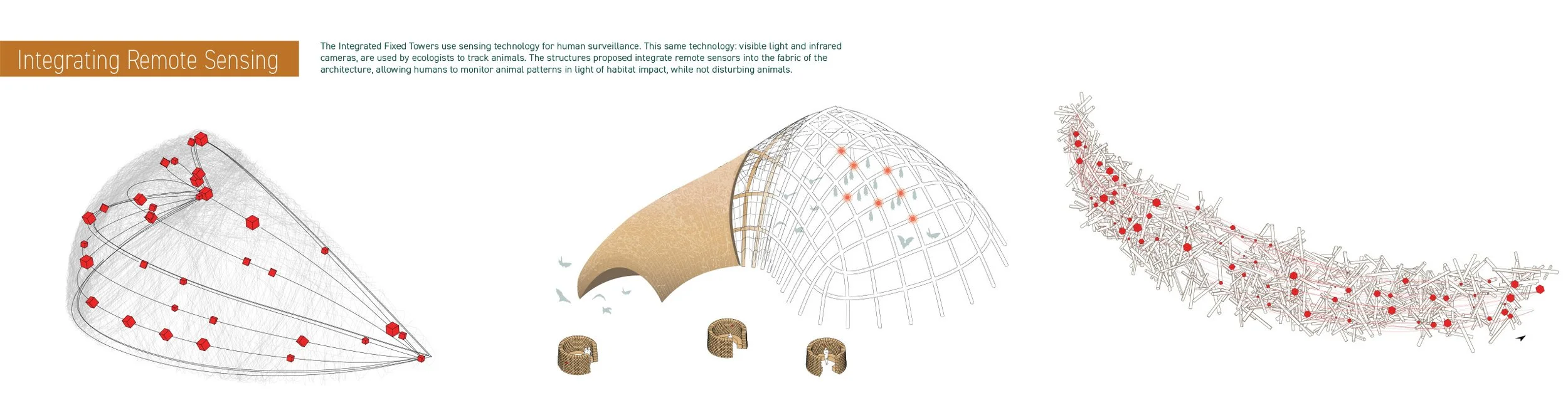
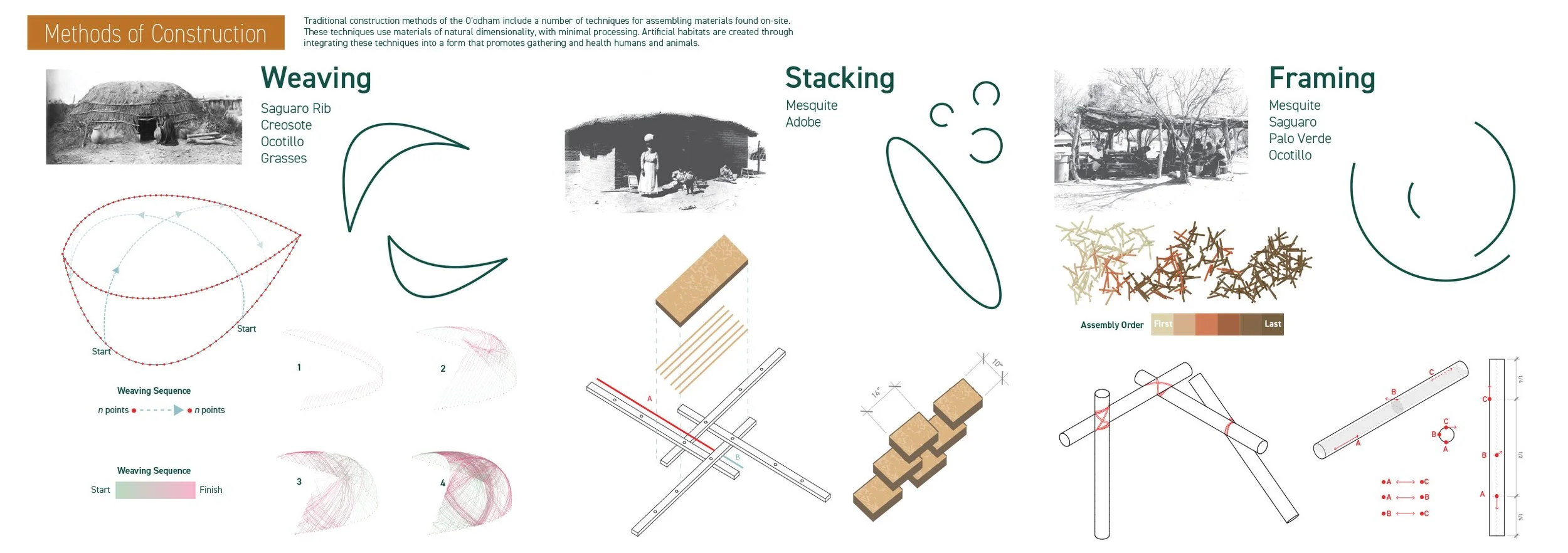
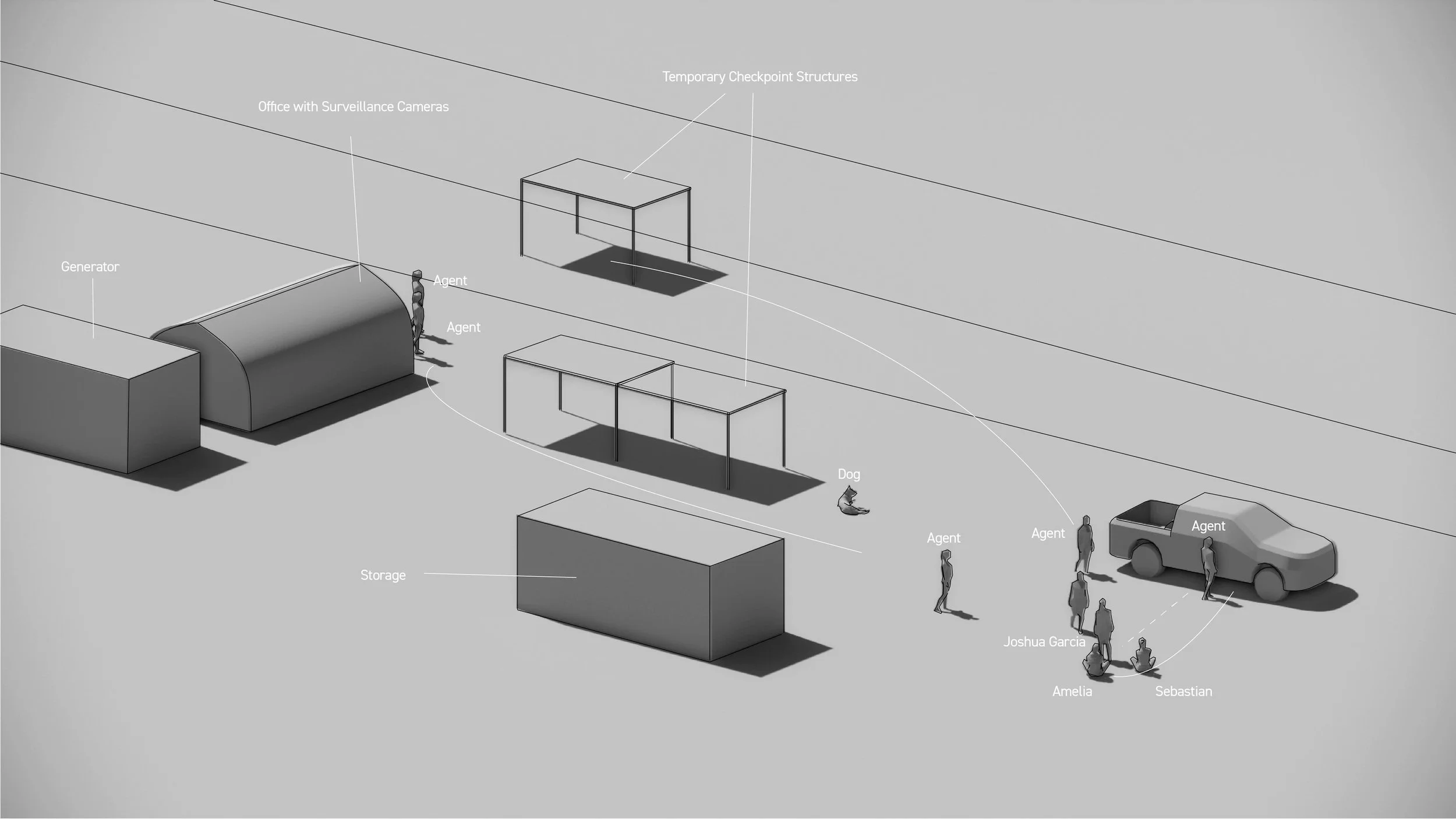
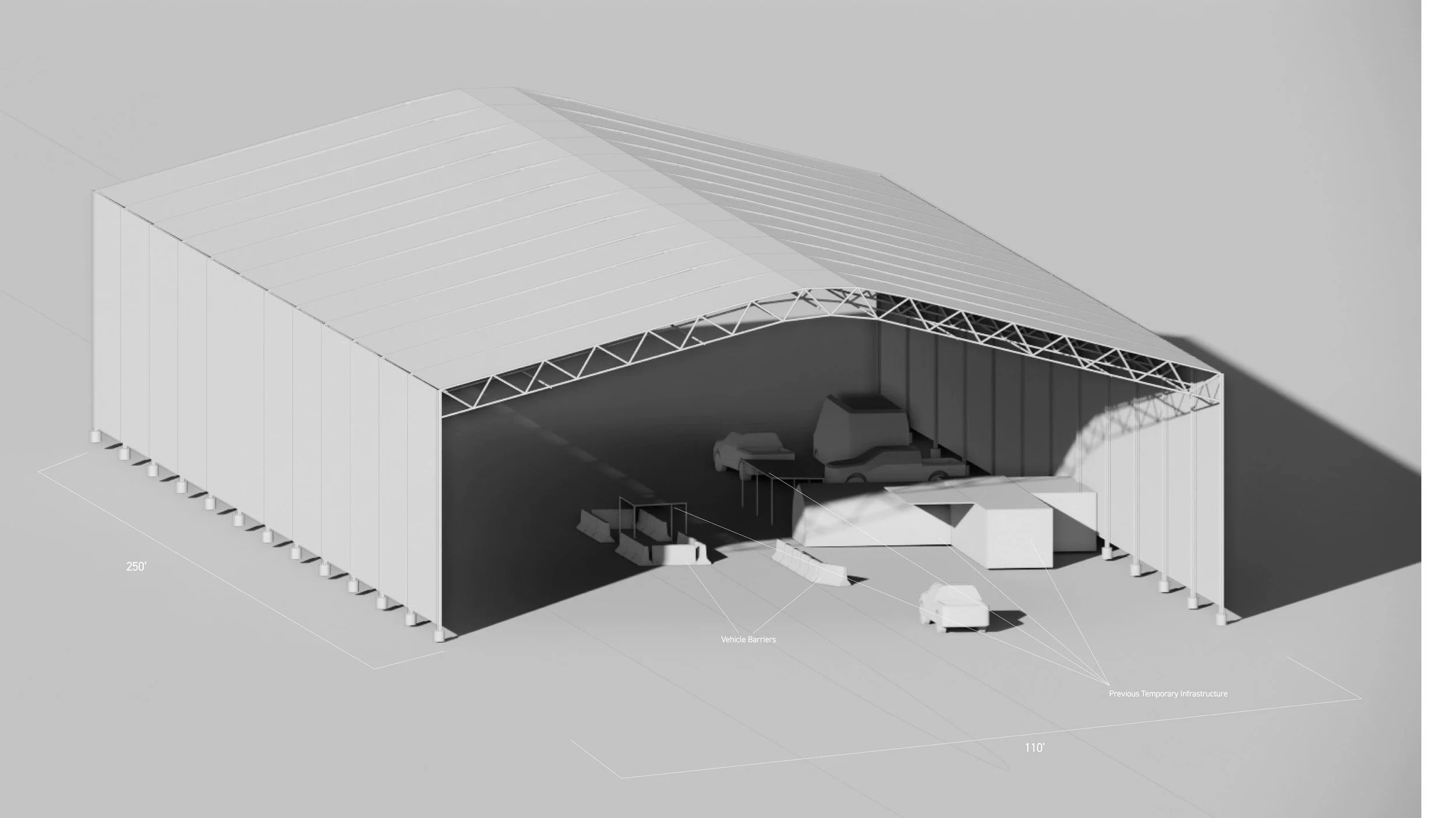
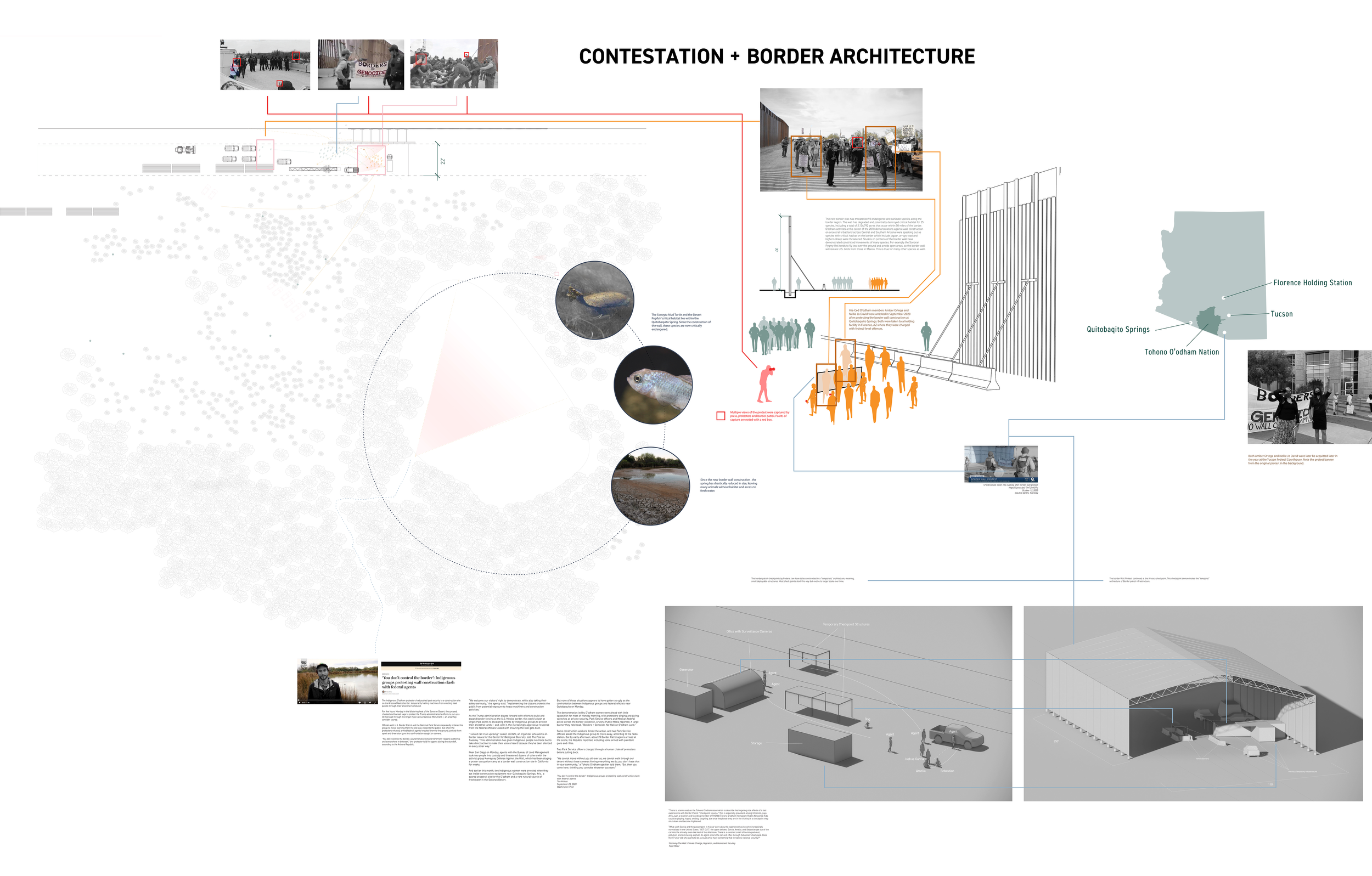
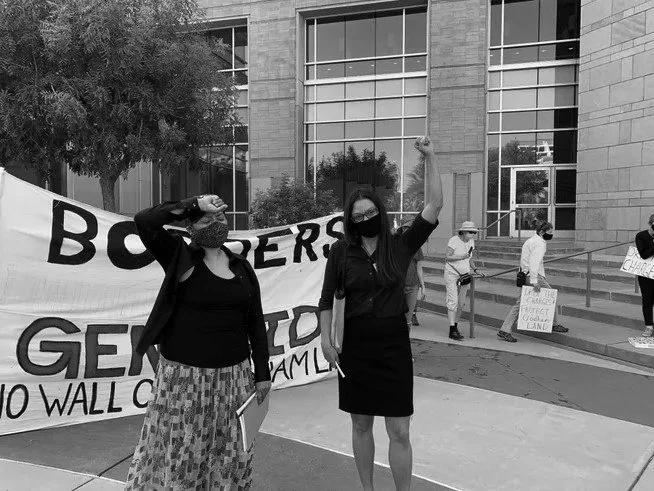
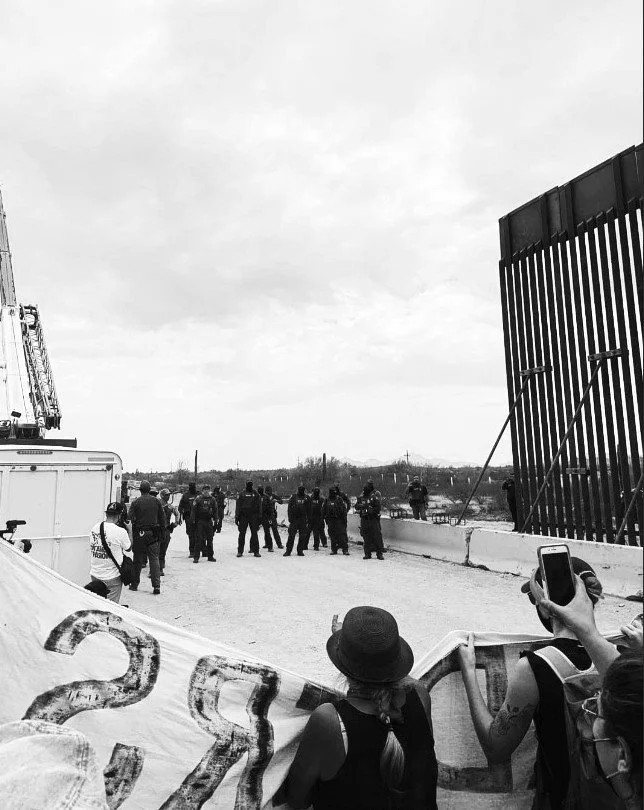
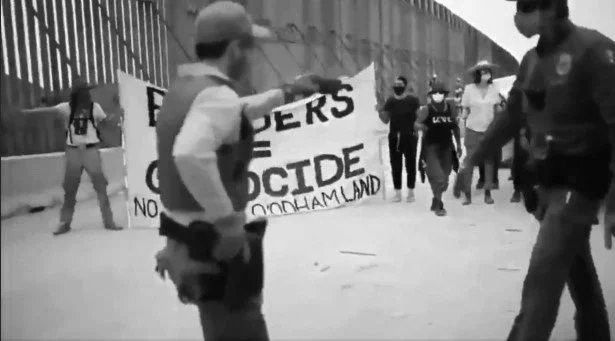
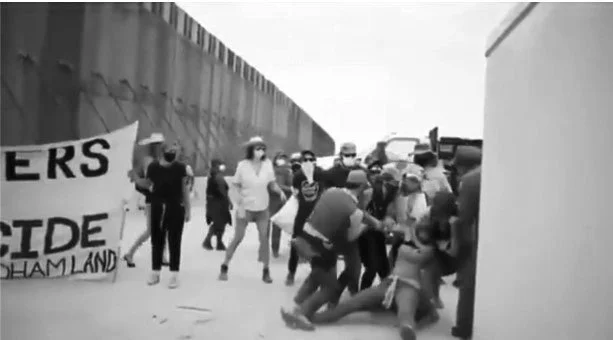
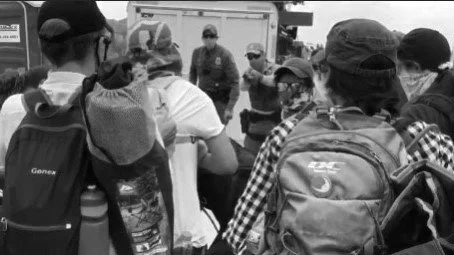
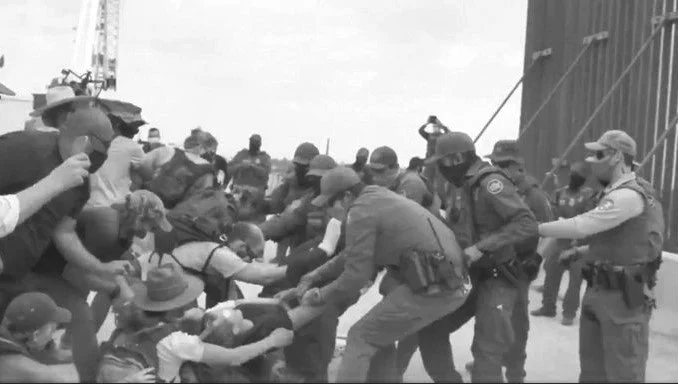
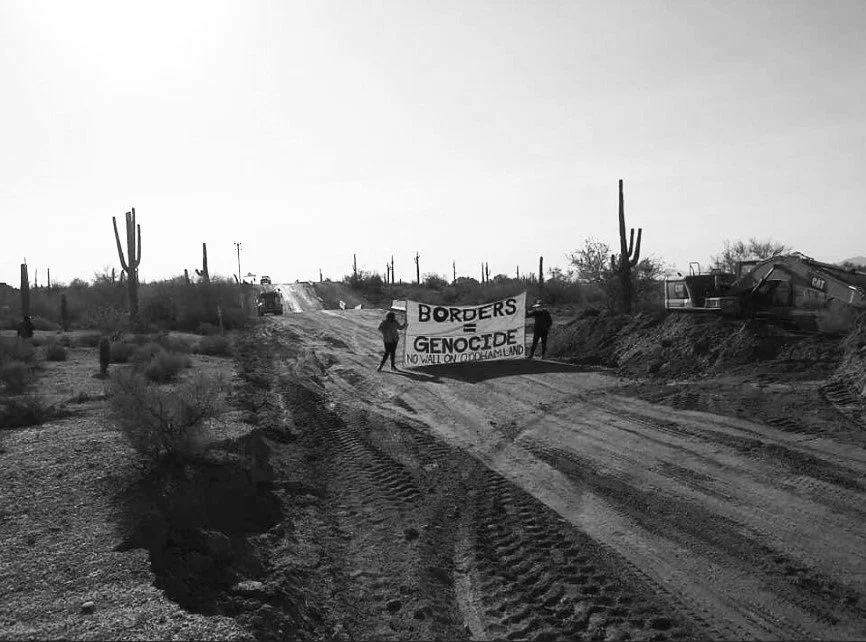
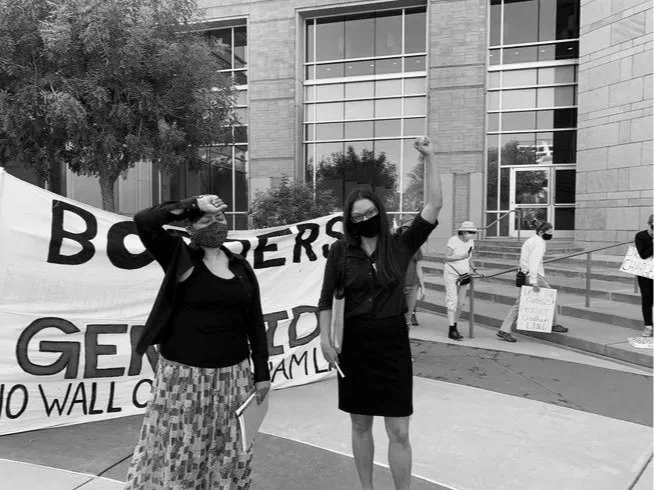
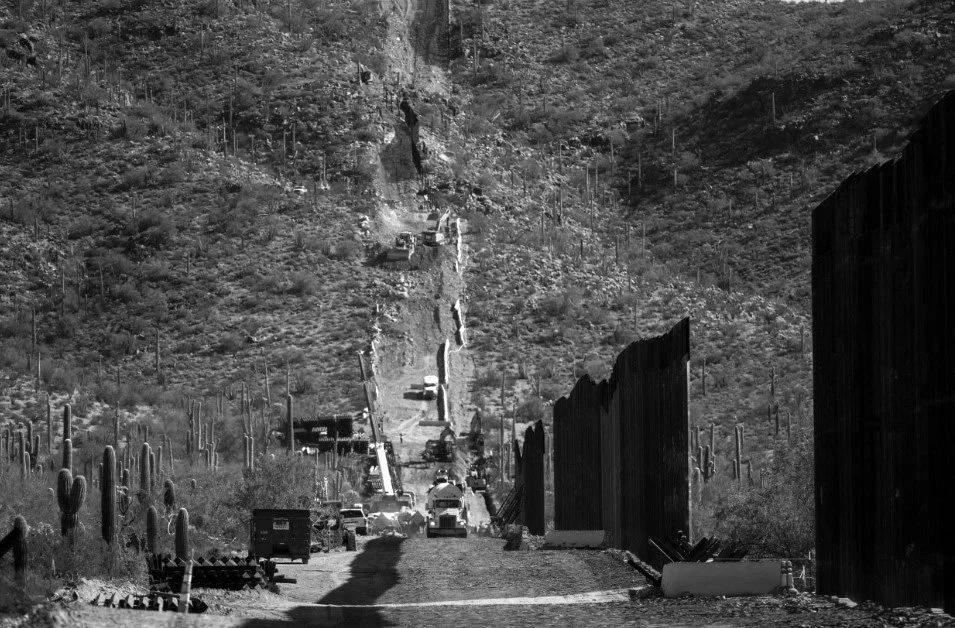
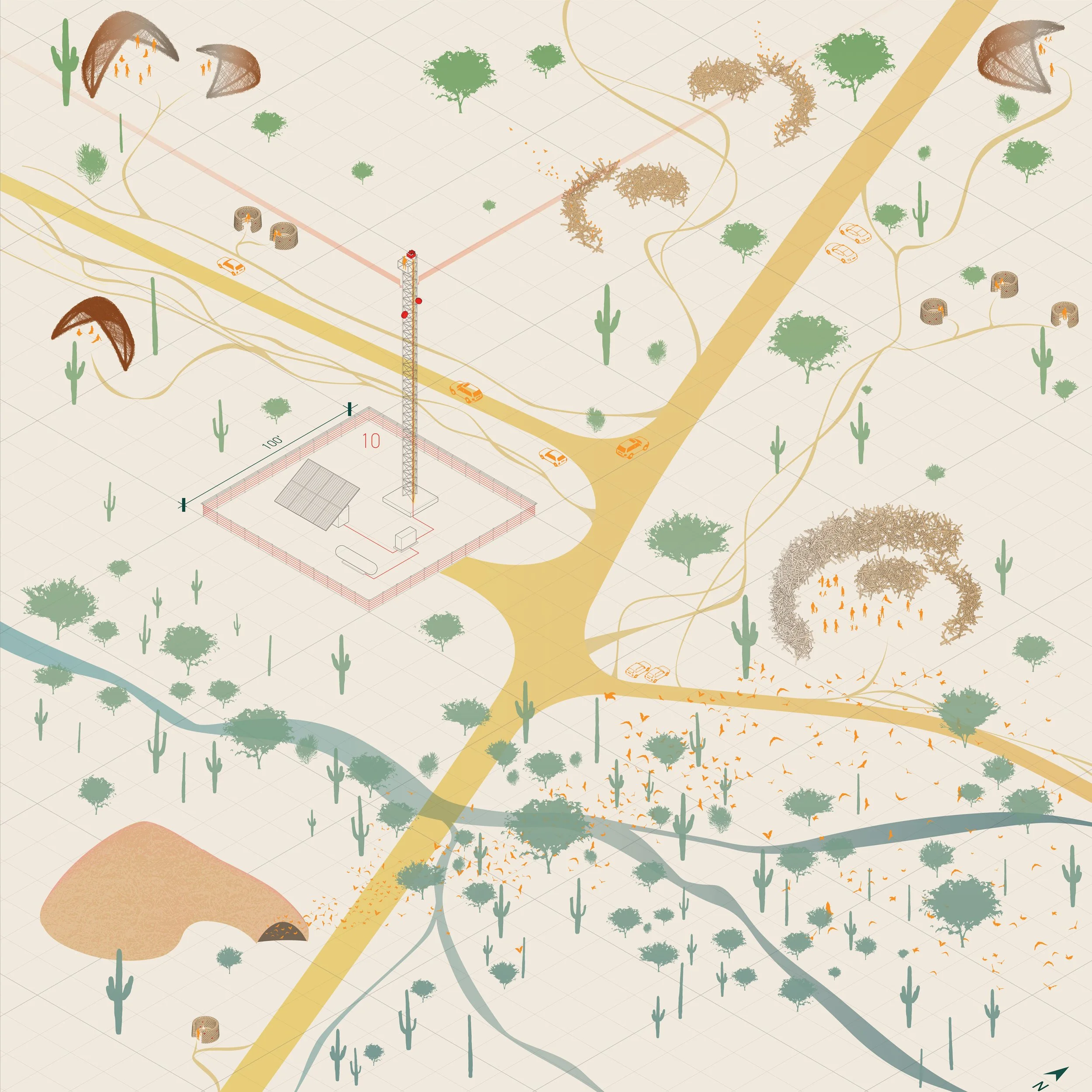
This project explores architecture as a tool for restoring agency, ecological stewardship, and cultural sovereignty in the Sonoran Desert along the U.S.–Mexico border. Grounded in the traditional homelands of the Tohono O’odham, the project challenges the political and ecological violence embedded in the border landscape and reimagines architecture as an interface between people, technology, and the more-than-human world. Rather than reproducing the rigid, permanent infrastructure of the border, the proposal develops soft, adaptive artificial habitats that support humans and non-human species—including the saguaro cactus and lesser long-nosed bat—through Indigenous construction methods, ecological monitoring, and contemporary sensing technologies. Surveillance is similarly reimagined from a tool of control into a means of community-led stewardship, allowing the O’odham to monitor ecological health and make sovereign decisions about their land. The project also creates spaces for gathering, privacy, and protest, positioning the desert not as an empty edge or militarized boundary, but as a living cultural and ecological center where Indigenous knowledge, technology, architecture, and activism can intersect.